Ireland is a global powerhouse for life sciences, home to many of the world’s top…
April 15, 2026
Navigating post-Brexit logistics: A B2B Guide to seamless linehaul freight between Ireland, the UK, and Europe
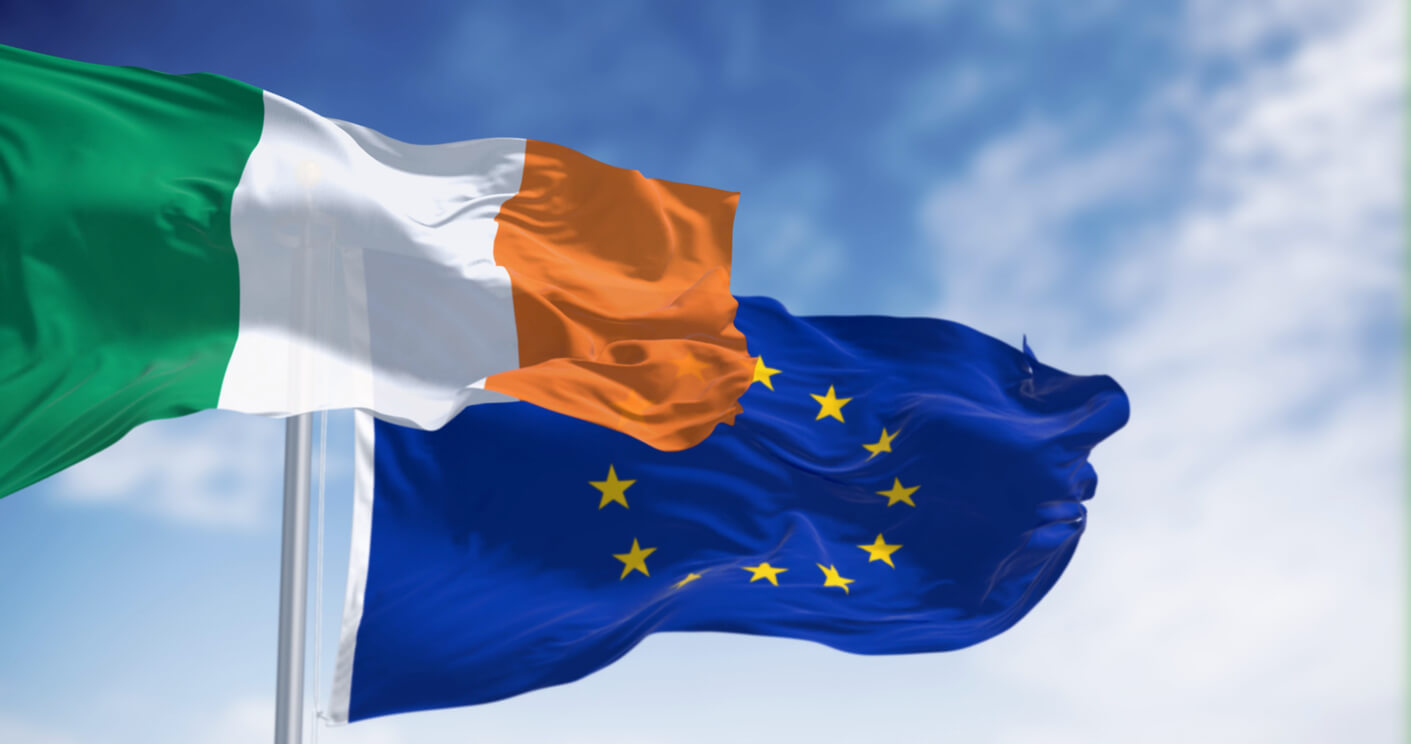
The cross-border movement of commercial goods between Ireland, the UK, and mainland Europe remains vital to the European supply chain. However, post-Brexit regulatory barriers transformed what was once a routine linehaul run into a complex navigational challenge.
For supply chain managers, the primary risk is no longer physical distance but administrative friction. Border delays, misplaced documentation, and customs bottlenecks can stall middle-mile transit, disrupt inventory schedules, and erode operational margins. Achieving a resilient, seamless linehaul operation across the Irish Sea and into European trade lanes requires moving away from reactive transport models toward an integrated logistics strategy.
The core pitfalls of post-Brexit distribution
The end of single-market transit introduced several operational pinch points for B2B exporters and importers:
• Documentary errors: Missing Economic Operator Registration and Identification (EORI) numbers, incorrect commodity codes, or flawed Commercial Invoices cause immediate border holds.
• Transit procedure mismanagement: Moving goods across non-EU territories requires accurate Common Transit Procedures, such as T1 status declarations, to prevent unnecessary duty assessments.
• Fragmented vendor hand-offs: Separating your linehaul carrier from your customs broker creates a blind spot where neither party accepts responsibility for compliance-driven delays.
3 Strategic pillars for uninterrupted cross-border linehaul
1. Synchronised Linehaul and Customs Clearance
The single most effective way to eliminate border holds is to integrate customs brokerage directly with linehaul management. Rather than treating customs clearance as an external administrative step, top-tier supply chains prepare digital declarations while cargo is loaded or in transit.
By unifying linehaul scheduling with in-house customs processing, pre-clearance status is secured before a vehicle ever reaches the port gates at Dublin, Rosslare, or Holyhead.
2. Leverage strategic direct routes & Landbridge flexibility
Depending on lead times and cargo requirements, businesses must balance direct sea routes between Ireland and continental Europe (e.g., Rosslare to Cherbourg) against the UK Landbridge. Direct ferries avoid UK customs checks entirely, making them ideal for standard supply lines.
However, for time-critical freight requiring rapid turnaround, high-frequency linehaul trunks through the UK remain a powerful route, provided robust transit procedures are executed correctly.
3. Maintain complete asset control & real-time visibility
Uncertainty at borders cascades down the entire supply chain. B2B shippers need granular, real-time tracking across the middle mile to notify receiving warehouses of precise arrival windows. Relying on dedicated fleets or dedicated trunking capacity ensures your freight isn’t bumped or delayed by multi-drop consolidation issues.
Key takeaway: Post-Brexit freight management is about moving verified data alongside physical goods. Compliance and transport must function as a single, unified service.
Moving forward with confidence
Cross-border trade between Ireland, Great Britain, and Europe doesn’t have to be a source of supply chain friction. By partnering with a logistics specialist that combines self-owned linehaul infrastructure with deep, in-house customs expertise, B2B organisations can restore predictability to their freight operations, lower risk, and maintain competitive delivery times across all target markets.
Ready to streamline your cross-border supply chain? Explore the best options to drive your operational efficiency. Get in touch with our experts today.

Related Posts